
OOCL (Oriental Overseas Container Line) needs little introduction — one of the world's most recognised carriers, with more than 230 offices across 58 countries and a heritage that goes back to the founding of China's first international merchant fleet.
What matters for this story is simpler: for three consecutive years, OOCL handed us a different programme — and each one taught us something the next one used.
2021 — 16,500 container storage boxes, packed for 54 countries
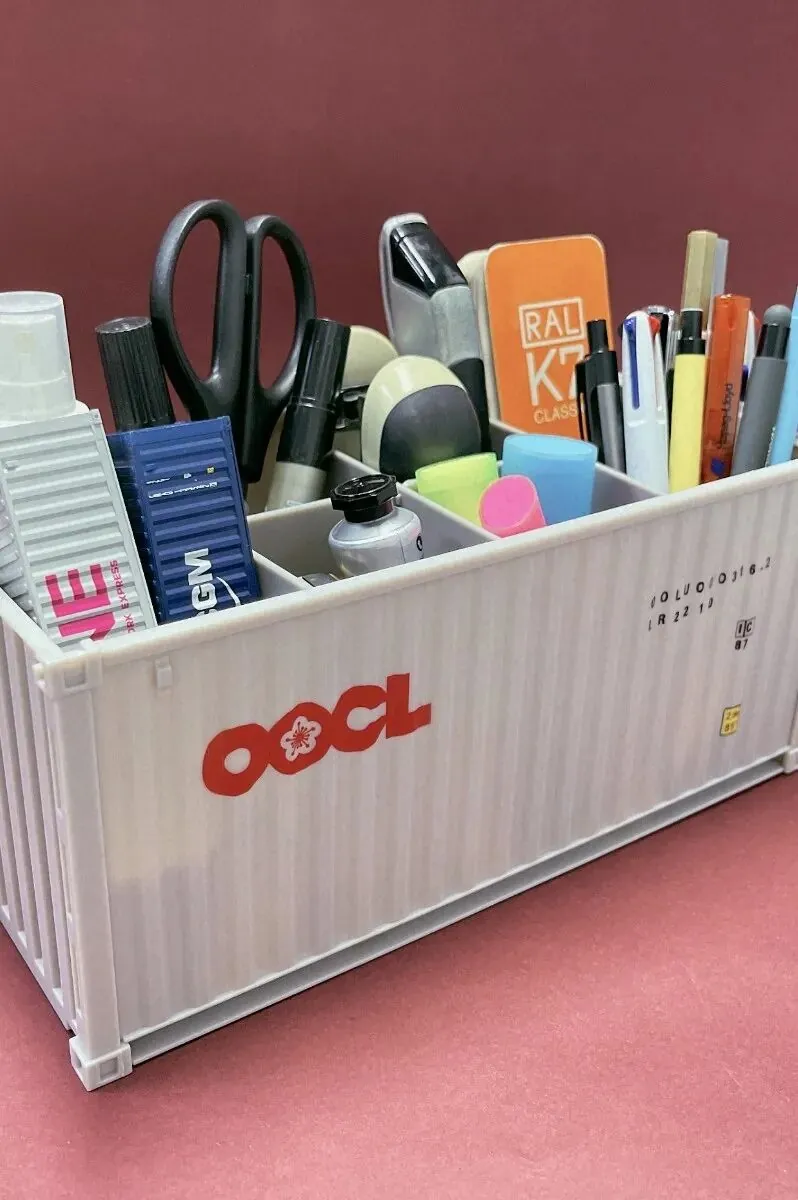
The first programme was an OOCL-branded container storage box, with Micro Shipping responsible end to end: concept, design, production, packaging, quality control and shipping.
Two details made the project. First, the people carrying the boxes: we redesigned the master carton from 36 pieces per box down to 18, so each box stayed liftable on stairs and in office corridors. Second, the destinations: the shipment was headed to 54 countries and regions, so we designed different packing methods and outer-carton labels by region and end use — staff gifts in one format, client gifts in another — so local offices could identify and distribute without opening anything.
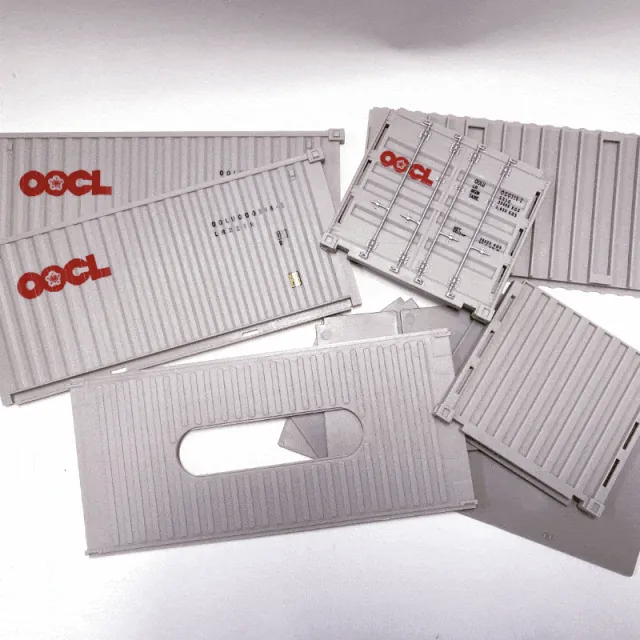
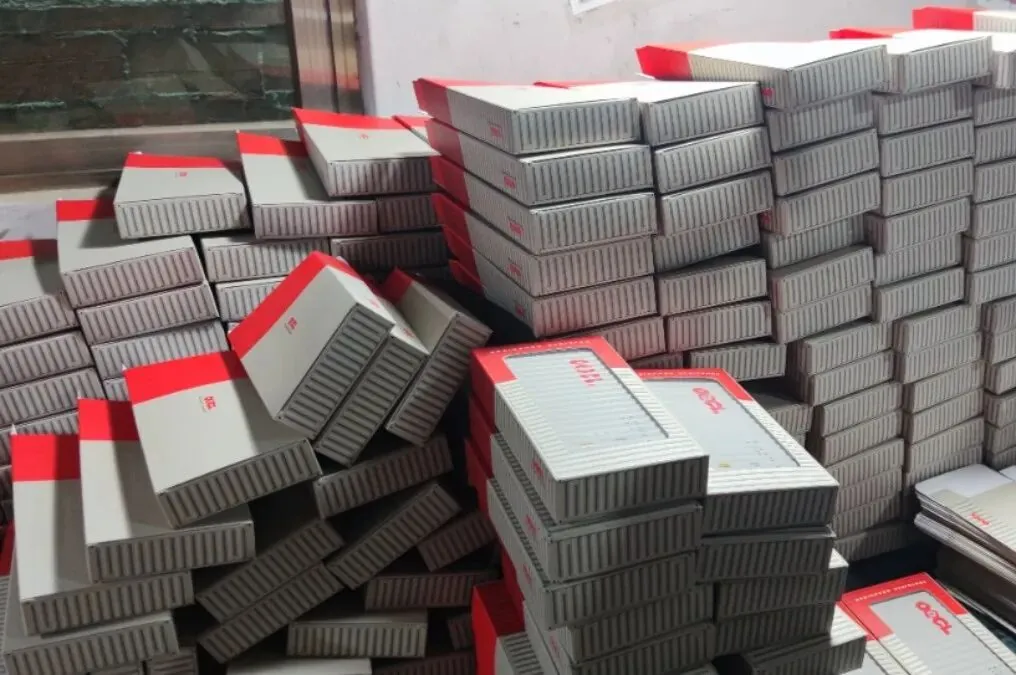
After sampling inspection, 16,500 units shipped out by sea, air and a portion by land, arriving in batches across the regions — a footprint to match the trade flows documented in UNCTADstat.
2022 — the repeat: 3,000 more sets
The clearest verdict on any gift programme is the second order. In 2022 OOCL came back for 3,000 additional storage box sets — the repeat that turned a successful purchase into a partnership.
2023 — a new mega vessel, four sizes of model
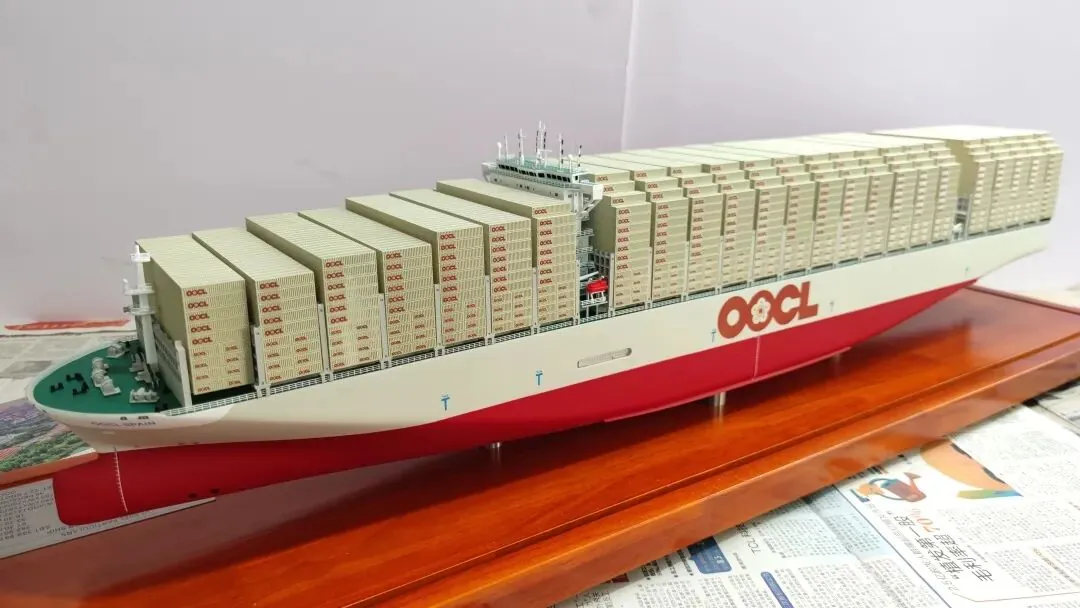
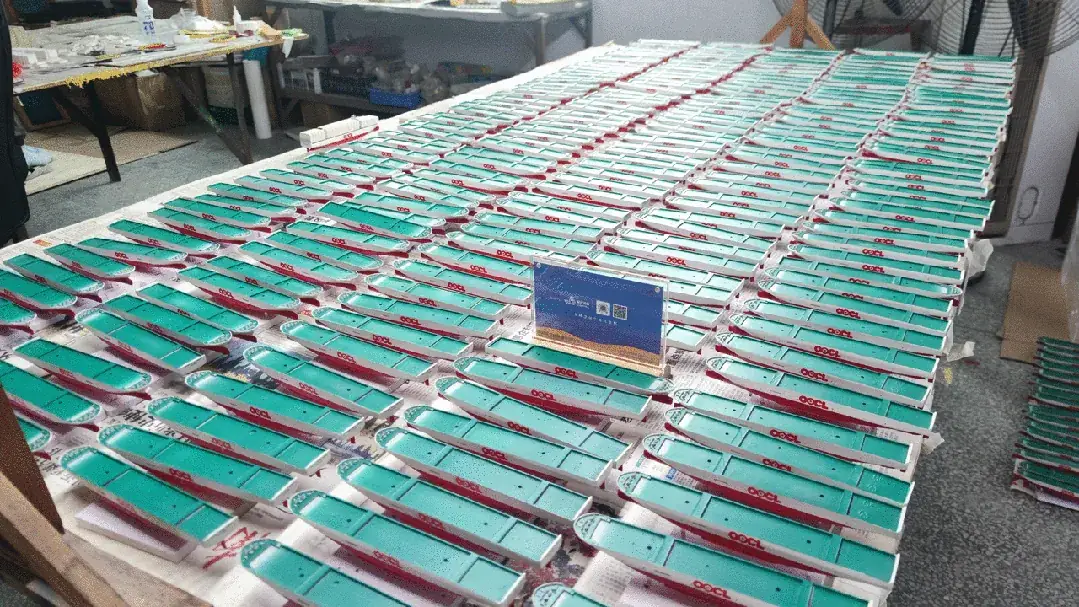
In 2023, as OOCL's new mega vessel launched, Micro Shipping became the partner for its container ship model programme: roughly 1,000+ sets to date in four sizes — 20 cm, 40 cm, 60 cm and 90 cm — released in batches, with the order book still growing.
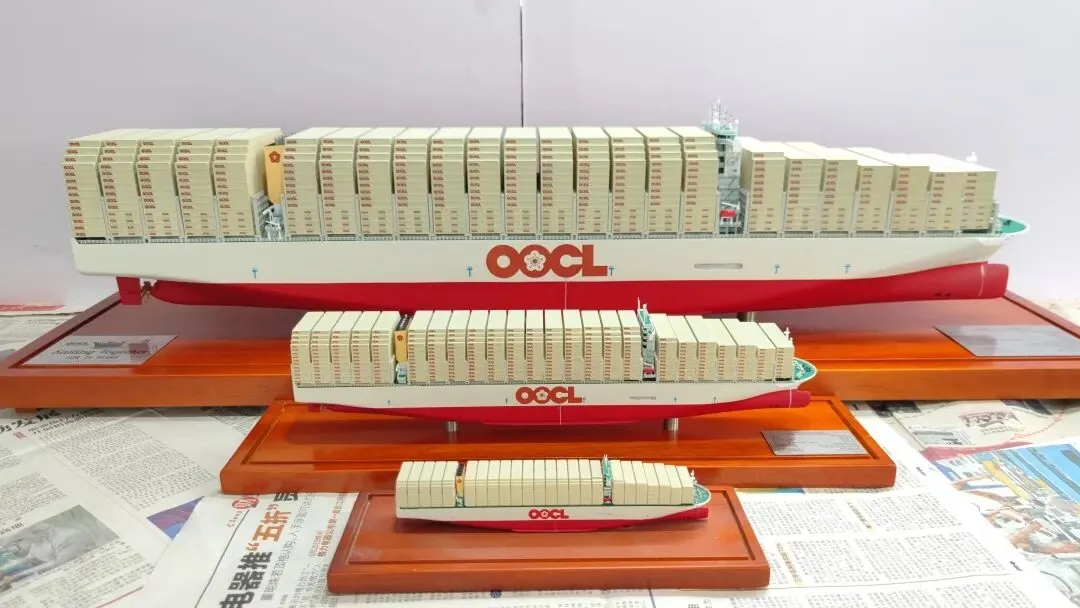
Each model carries 100+ components through more than 200 production steps, handled by craftsmen and technicians with 20+ years at the bench: bridge windows and antennas, anchor and windlass on the foredeck, bow thrusters, and rows of containers stacked in the exact pattern of the real ship.
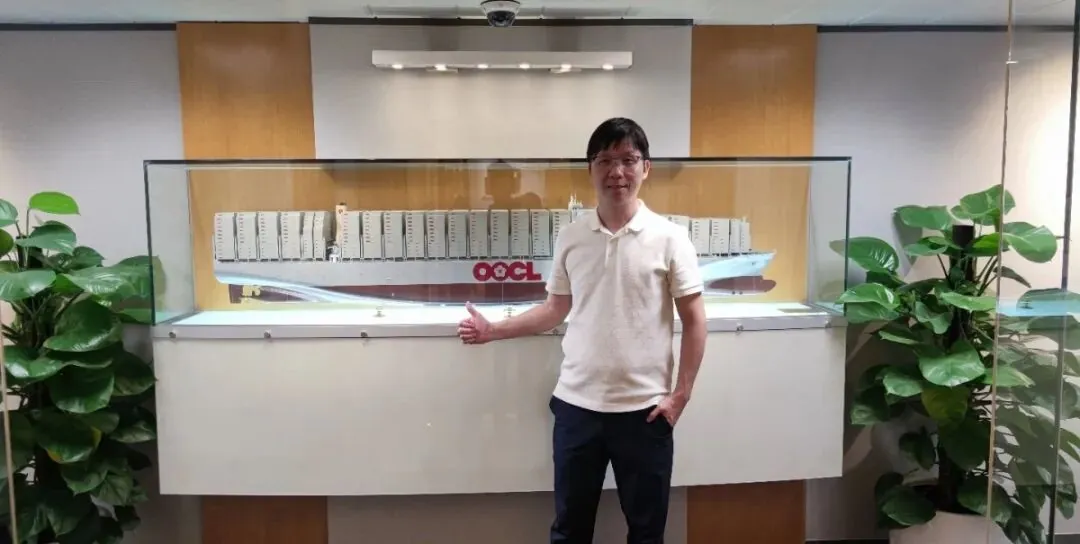
Three years, three programmes, one supplier. That is what we mean when we say a gift programme works best as a relationship, not a purchase order.
What three years actually builds
The 2023 model programme is also the clearest example of why four sizes beat one. Different departments had different jobs for the same vessel: the 20 cm units went to visiting delegations and event tables; the 40 cm and 60 cm models anchored regional offices; the 90 cm version became the headquarters' welcome piece. Ordering all four sizes inside one programme kept the livery identical across every scale — one colour master, one artwork set, four tooling scales — and let the client deploy by audience rather than compromise on a single size. When the next mega vessel launches, the four sizes re-order independently, each having already proven itself with its own audience, its own budget line and its own documented reorder history across markets. The scale logic behind that flexibility is written up in our scale guide, and the four-size range itself lives in container ship models.
Three consecutive programmes with one client produce something that does not appear on any invoice: institutional memory, on both sides. By year two, our production team held OOCL's grey livery as a physical colour standard with approval records — no re-sampling from screenshots. By year three, packaging templates, carton engineering and inspection protocols from the storage-box programmes carried straight over to the model programme, and the client's procurement team no longer needed to explain its expectations: they were written into our batch records.
The economics compound too. First programmes carry first-programme costs — sampling, tooling decisions, packaging development from zero. Repeat programmes inherit all of it: faster pre-production, fewer revision rounds, and unit costs that drop because the questions were answered in year one. That is a large part of why a four-size model programme could launch on a vessel-delivery deadline without drama.
There is also a design-system effect worth naming. The storage box, desk tidy and tissue box from years one and two share the same container form language as the ship models from year three — so an OOCL office that received storage boxes in 2021 and models in 2023 sees one coherent collection, not three unrelated purchases. Building a range, rather than ordering items, is what turns gifting into brand infrastructure.
The products behind the three programmes remain available for any carrier programme: container tissue boxes, container desk tidies and storage boxes in the desk stationery range, plus the vessel programme itself in container ship models from 20 to 90 cm. The QC and colour discipline behind batch consistency is documented in how our models are built, and multi-year programmes of this kind pair well with the tiering logic in our QTerminals story and the 14-year MSC partnership.
Planning a multi-year gift programme? Tell us the occasion and the audience — we will scope year one, and design it so year two has somewhere to go.