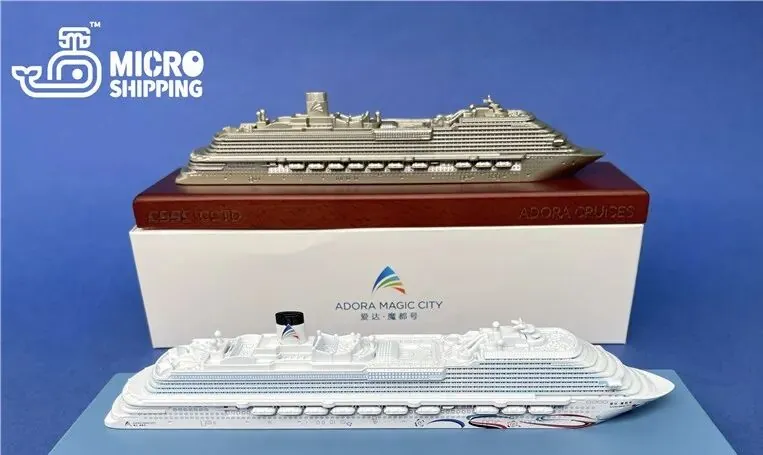
When China's first large domestically built cruise ship prepared for her 2024 debut, the merchandise programme had a hard deadline set by the shipyard, not by us. The client — coming off our cruise-model work for another leading operator — chose Micro Shipping as the sole appointed team for the Adora Magic City model programme, built to the detail culture that IMO-regulated passenger shipping demands of anything that represents it.
The brief
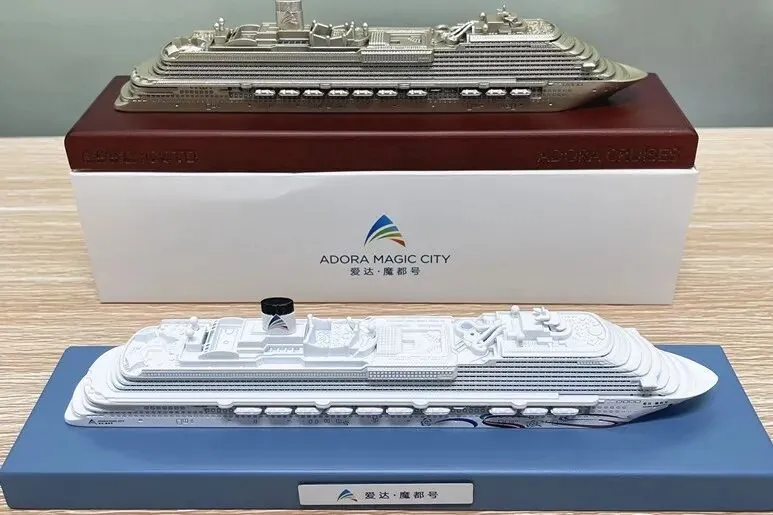
Two finishes in parallel: a full-colour alloy version and an electroplated version with a brushed metal finish. 1,000 units of each in the first run, delivered by the end of October 2023 — about three months from project start to delivery, ahead of the January 2024 maiden season.
What made it hard
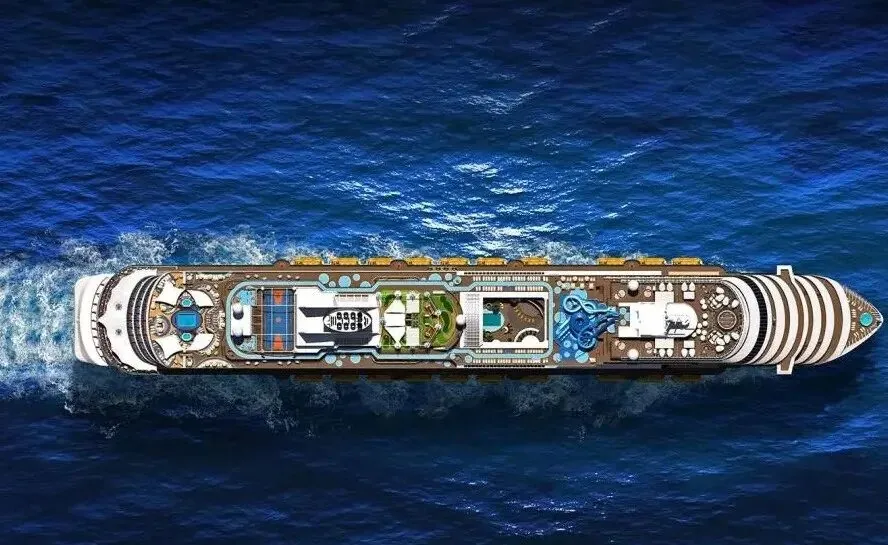
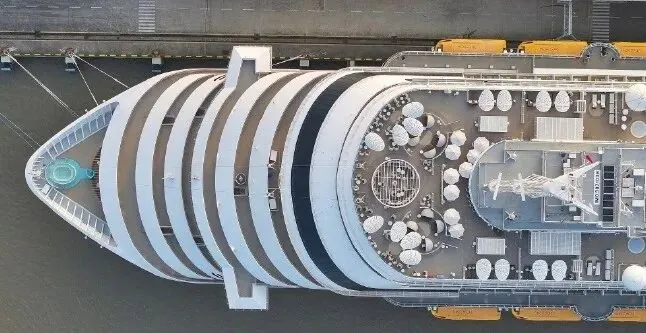
Cruise ships are the hardest vessels to model. Where a container ship reads through hull lines and stacked boxes, a cruise ship lives in details: the water slide complex, the climbing wall, the terraces, hundreds of windows, the hull art. On the Adora programme, the hull livery was hand-painted, unit by unit, to match the ship's artwork exactly.
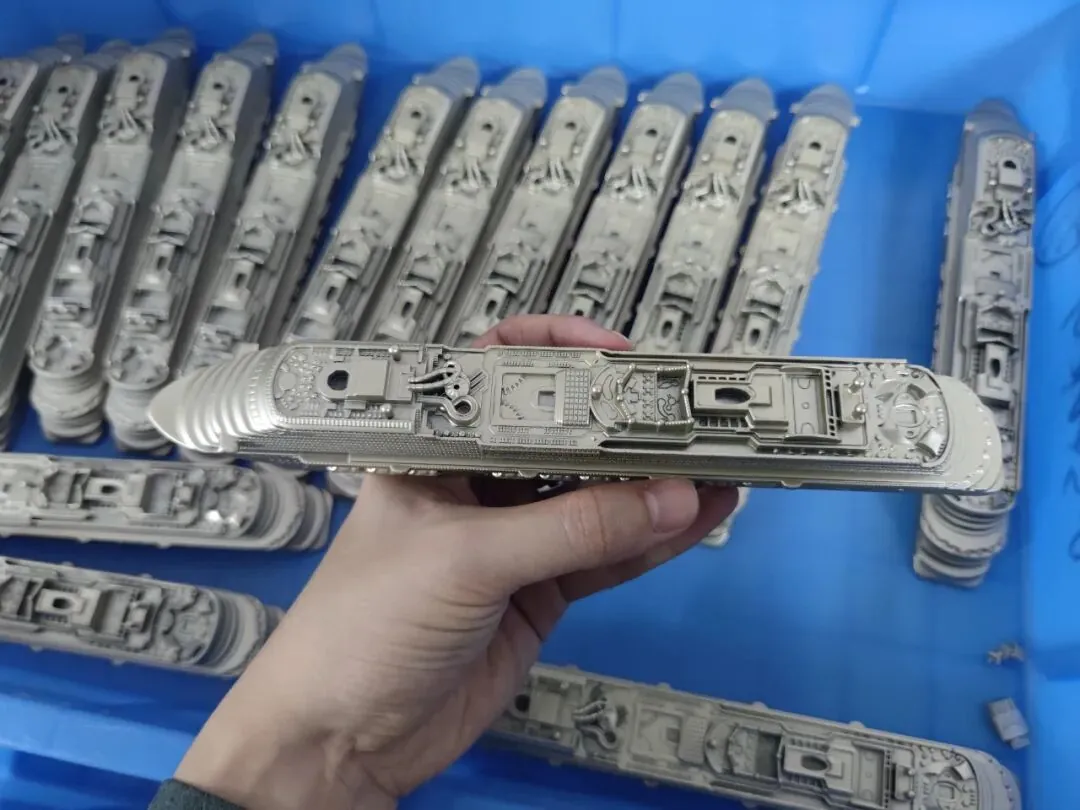
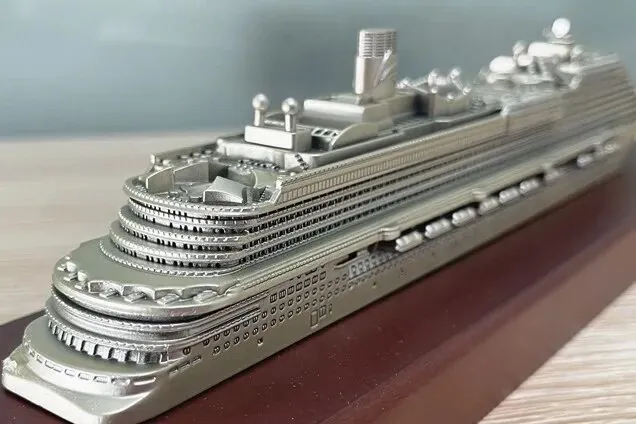
The electroplated version traded colour for a metal skin: full anodic treatment, an industrial-luxe finish where the water slides and deck attractions still had to read clearly through the plating.
Inspection on this programme was tuned to its audience. Cruise passengers photograph their purchases at arm's length in cabin light, so the batch checks added two cruise-specific gates: raking-light surface inspection for dust and orange peel on the plated finish, and a hull-art comparison against the reference imagery for every fiftieth unit — because hand-painted hull art that drifts by a shade across a run is exactly the kind of defect only a re-order reveals. Both gates passed on every batch, which is why the re-order to 2,850 units inherited the process unchanged and the schedule stayed intact.
Delivered — and re-ordered
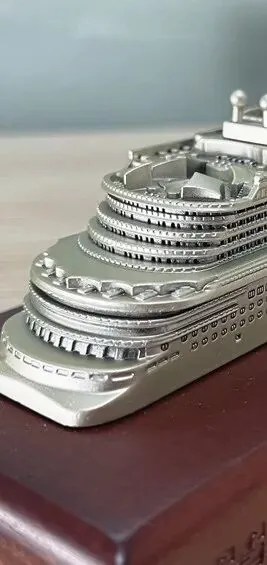
The first 1,000 units delivered before the end of October. Feedback from onboard and from the client's departments was strong enough that the programme grew to 2,850 units — the kind of re-order that says more than any testimonial. Smaller miniatures of the same vessel — 6 cm and 9 cm — now sell in the ship’s onboard gift shop: retail-grade quality at souvenir scale, and the clearest sign a programme has become a product line rather than a one-time purchase order.
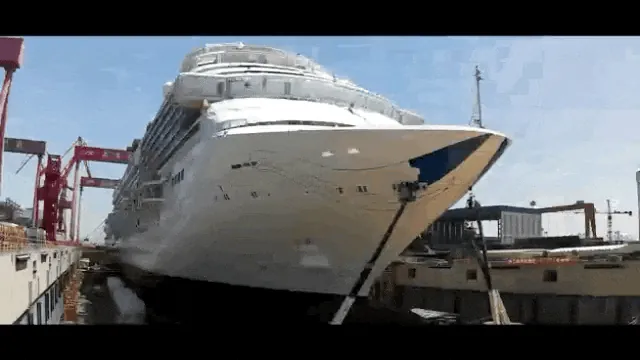
Three months, step by step
Three months is fast for a brand-new cruise vessel at this quality bar, and it is worth recording how the time actually went, because buyers planning their own programmes can use the arithmetic.
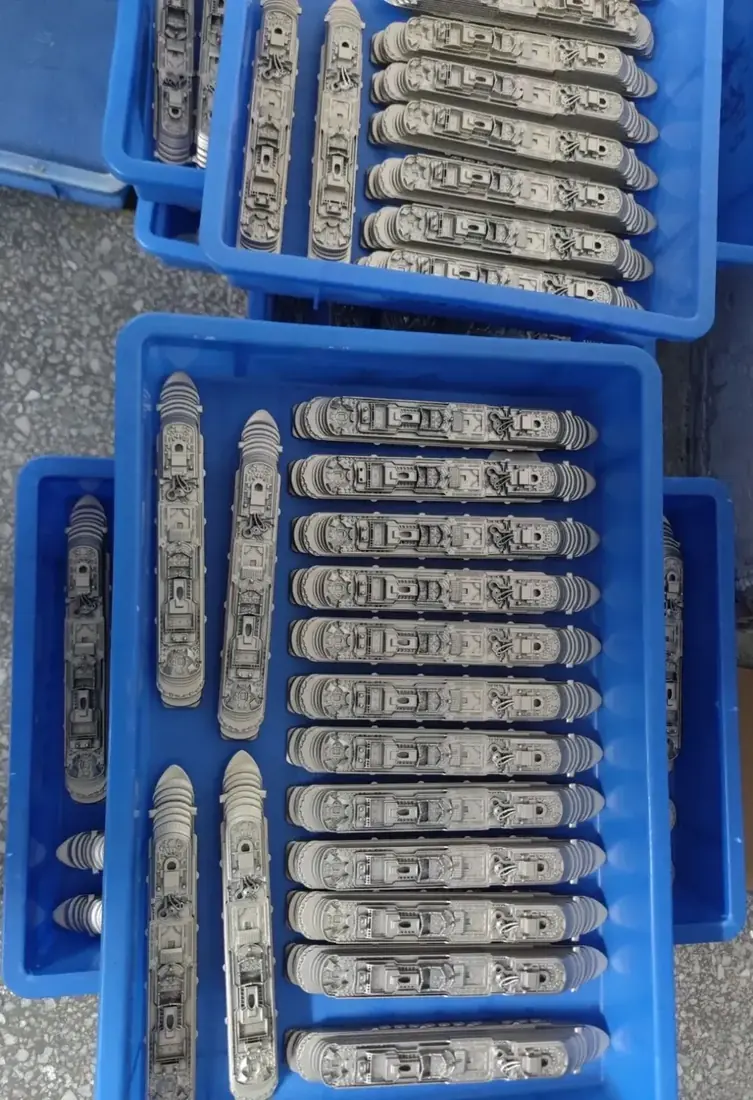
Weeks one and two: reference gathering and the master pattern. The ship was still fitting out, so our team worked from shipyard imagery, drawings and the operator's brand book. The hull art — the signature sweep across Adora Magic City's bow — was digitised and mapped to the model's hull curve before any tooling moved. Weeks three to six: hand sample and revisions, in two rounds, with the client reviewing finish swatches for both the full-colour alloy and the electroplated versions side by side. Weeks seven to ten: tooling for the alloy body and small parts, running in parallel with pre-production samples of the plating line, which needs different surface preparation entirely. Weeks eleven and twelve: batch production, staged inspection, hand-painted hull art unit by unit, and packing.
Two decisions compressed the schedule. First, running both finish versions from one tooling set — the electroplated version shares the alloy version's parts, which halved the tooling bill and the timeline. Second, starting pre-production sampling before the client had signed off every last detail of the paint scheme, holding the risk ourselves rather than the calendar. That is a normal trade for a workshop to offer when the client's deadline is fixed by a shipyard.
Planning your own timeline? Standard colour-and-logo changes on existing tooling run about 30 working days, alloy finishes 30 to 45, and large volumes add ten to fifteen days — a brand-new hull mould is the 3-to-4-month case, exactly what this programme carried.
From 1,000 to 2,850 — and into the gift shop
The re-order that took the programme to 2,850 units did not change the design; it changed the arithmetic of the run. Larger batches justified deeper inspection sampling and more efficient packing, and the two finish versions settled into separate lanes: full-colour alloy for onboard retail and client gifts, electroplated for VIP and commemorative channels. The 6 cm and 9 cm miniatures that followed into the ship's gift shop are documented in our Greater Bay Area No.1 retail story — the same retail discipline, one ship later.
For the production standard behind a run like this, see how our models are built; for scale and material trade-offs, the scale guide; and the full range from desk miniatures upward is in container ship models and scale models. Our other cruise programmes — Viking at three scales among them — show the same playbook at different volumes. Ready to scope yours? Tell us your ship.