
CM Viking Cruise — the joint venture between China Merchants Shekou and Viking Cruises — runs destination-focused river and ocean itineraries for travellers interested in geography, culture and history, under the passenger-safety framework that IMO conventions set for her class. Their ships call at ports; their gift programme needed to do the same thing: carry a sense of place.
One ship, three scales, three jobs
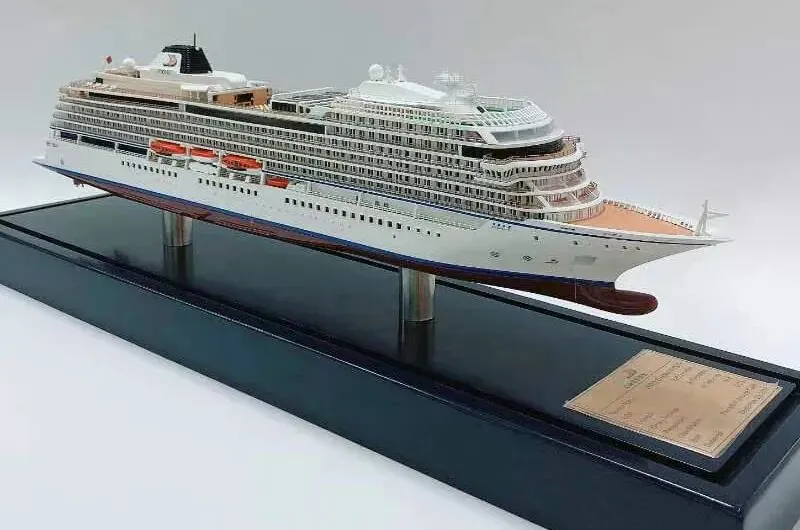
The programme covered the same vessel at three sizes, each with a different job to do:
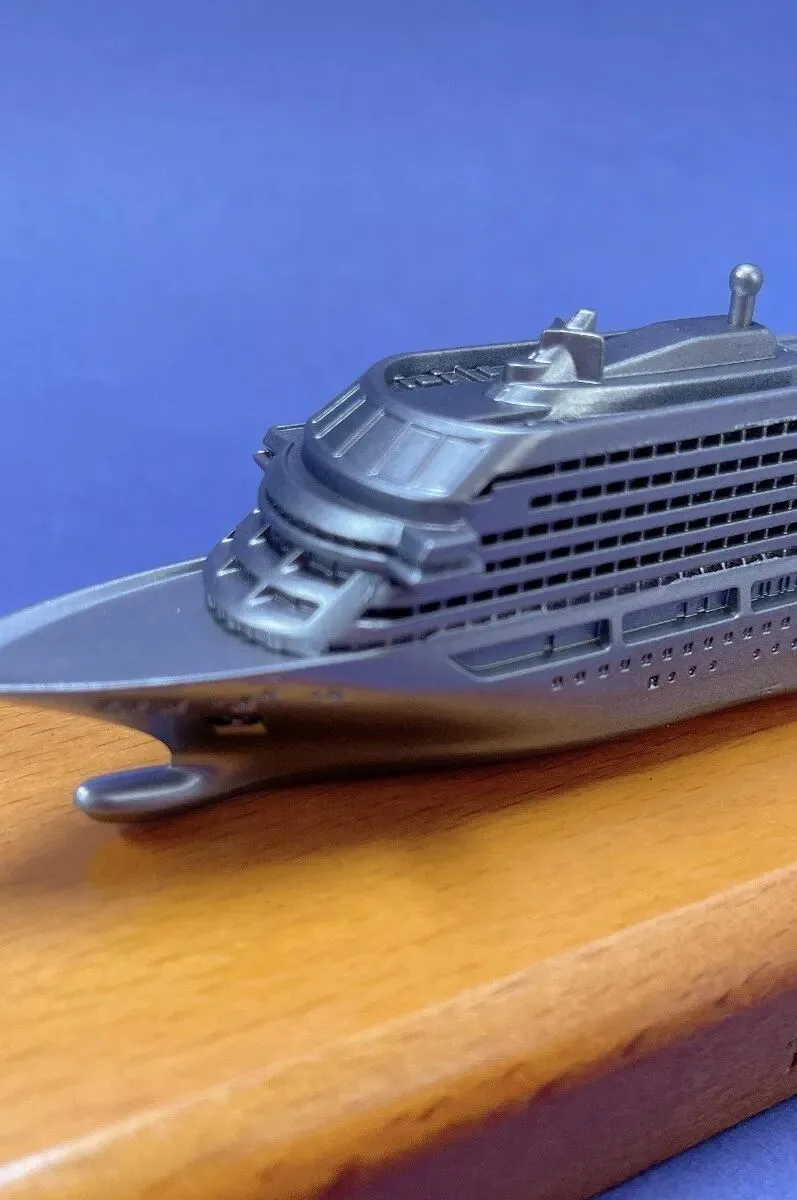
- 20 cm all-alloy model — 1,000 sets. The retail souvenir, sold onboard. Zinc-alloy die-casting, hand polishing, fine grinding, layered spraying and sandblasted plating — the finish a guest expects from a premium keepsake, at a price a suitcase can justify.
- 50 cm full-colour model — 20 sets. Display and VIP gifting.
- 227 cm flagship model — 5 sets. The landmark version for terminal and venue spaces.
Onboard retail, done properly
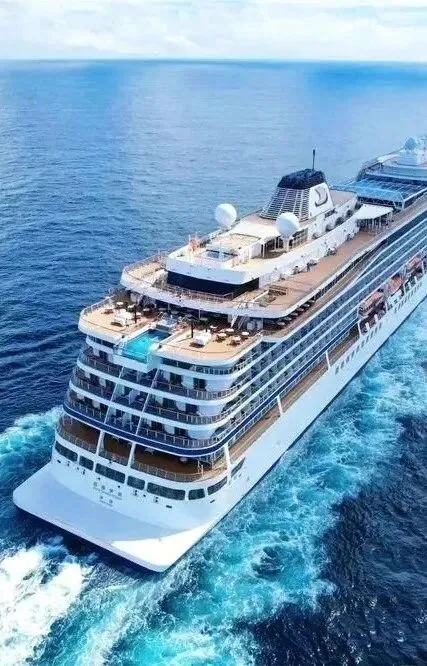
The 20 cm model sells in the ship's retail area as the definitive souvenir of the voyage. That is the hardest kind of gift to make: the buyer paid for the cruise, holds the memory in their hands, and decides in minutes whether the model is worth luggage space. Precision tooling and layered hand finishing are what make it an easy decision.
The 227 cm problem
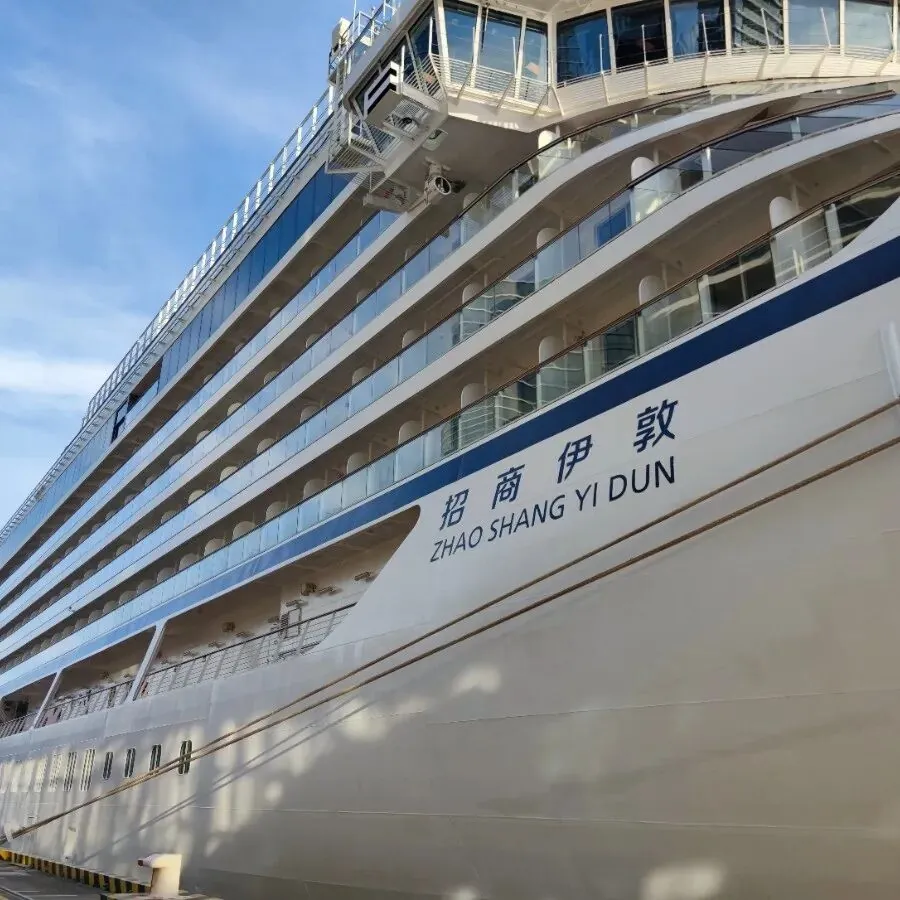
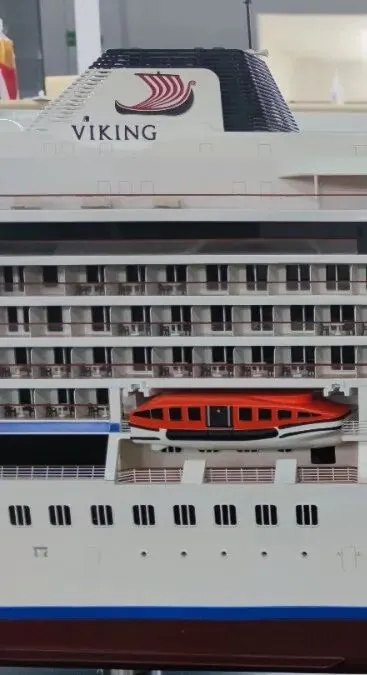
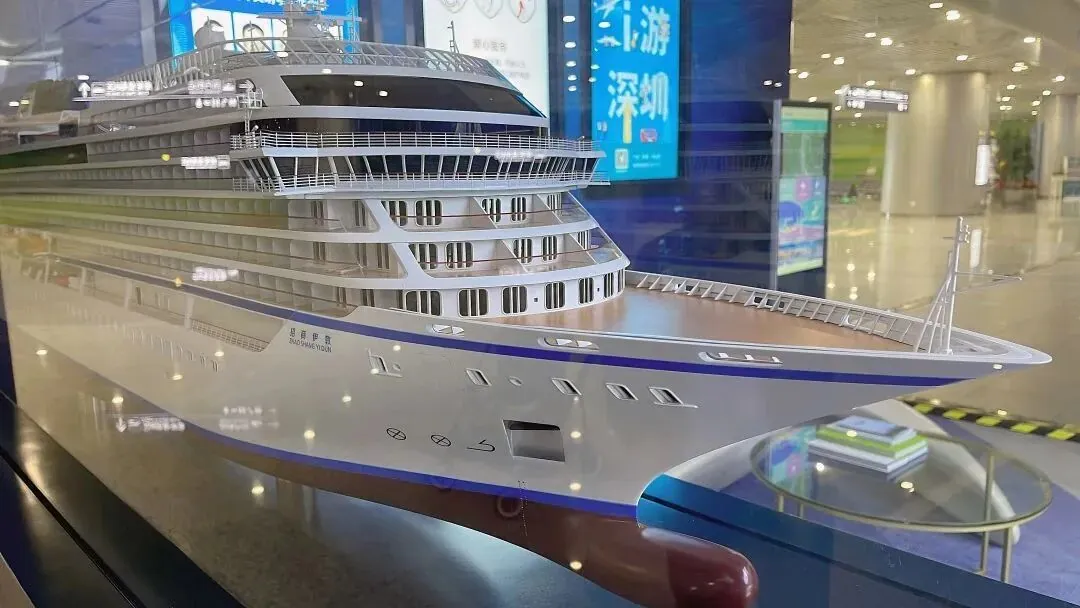
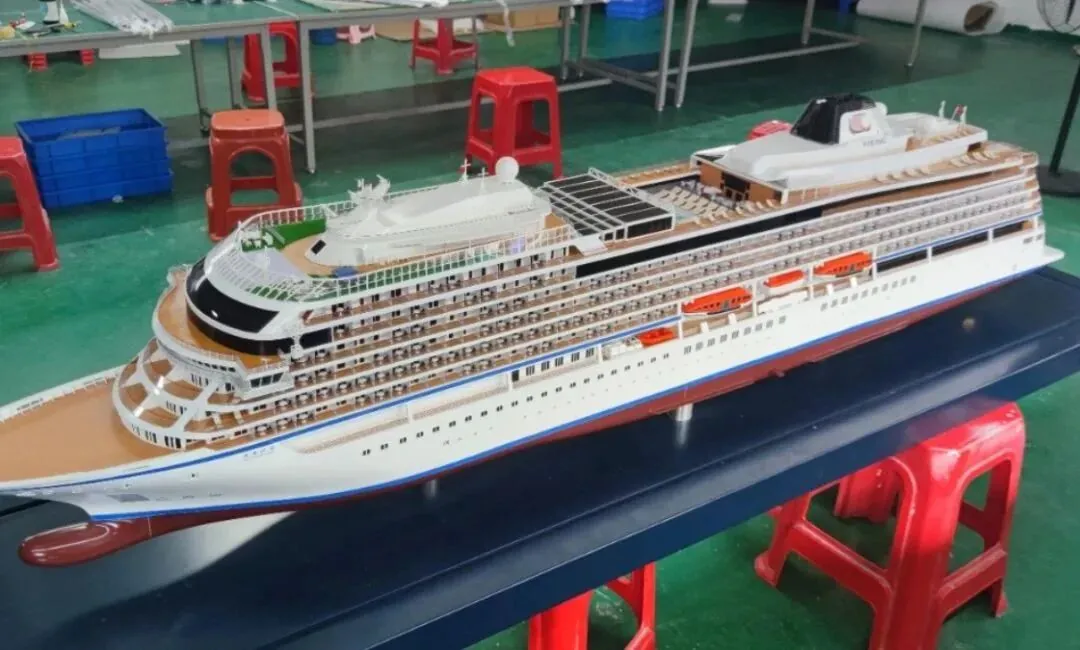
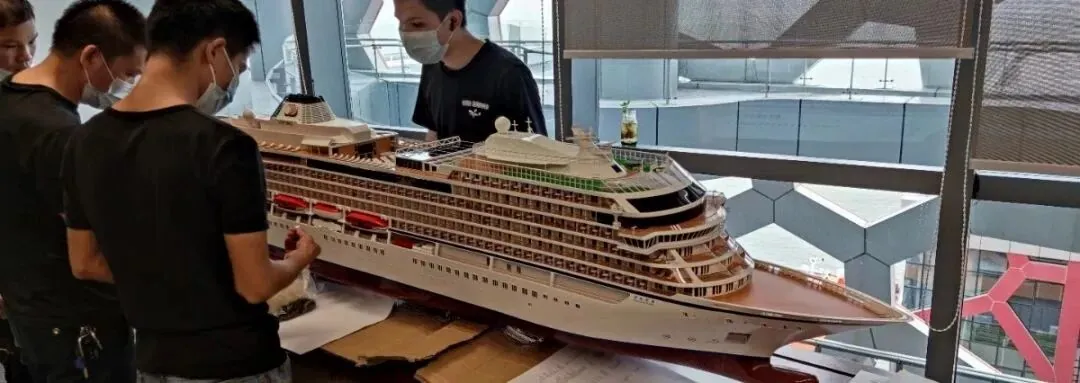
The flagship version is a different engineering discipline entirely: 800+ components, 200+ processes, four months of build time. The finished model weighs 200 kg and takes eight to ten people to move safely. Five were completed — installed where the brand needed a physical centrepiece guests can walk up to.
Retail psychology at 20 centimetres
The 20 cm onboard souvenir deserves a closer look, because it is the piece that taught us most. Its buyer has just spent a significant sum on a voyage, holds a phone full of photographs of the real ship, and will decide in under a minute whether the model deserves suitcase space. Three details decide that minute.
Weight first: the zinc-alloy die-cast body signals keepsake the moment it is lifted, which is why 1,000 units were die-cast rather than printed. Finish second: hand polishing and layered spraying give the hull a depth that single-pass spray never reaches — the sandblasted plating on the superstructure catches cabin light the way painted steel catches harbour light. Recognition third: the hull lines and funnel must read as the actual vessel from two metres, because the buyer compares it against their own photographs that same evening. Pass all three and the model boards the flight; fail any one and it stays on the shelf.
The economics work the same way. A souvenir that sells is a re-order; one that does not is a one-time purchase. Onboard retail clients therefore get the same colour-master discipline and batch inspection as our largest fleet programmes — documented in how our models are built — because at retail scale, quality is the sales team.
Engineering a 227 cm landmark
The five flagship models were a different project wearing the same livery. At 227 cm and 200 kg, the questions change: not "does the funnel read?" but "what does the floor need to carry?" Internal reinforcement, engineered bases, sectional transport planning and an eight-to-ten-person handling protocol were all part of the build — the same discipline we apply to every large-format piece, from site surveys to installation sequencing.
Four months of build time is mostly hand time: 800+ components and 200+ processes, with the hull's large curved panels shaped against the real vessel's lines rather than scaled from photographs. The result is a piece guests walk up to — which is exactly its job. A 20 cm model recalls a voyage; a 227 cm model anchors a terminal.
The scales in this programme map to the tiers we build across the industry — the comparison logic is in our scale guide, the cruise-retail twin programme is in Greater Bay Area No.1, and deadline-driven cruise work in Adora Magic City. Product ranges live in container ship models and scale models, with presentation packaging in gift sets. For your own vessel at any of these scales, tell us the job it has to do.
From a pocket-size souvenir to a two-metre landmark: one hull, every scale. Tell us your vessel — retail, display or landmark, we build to the job it has to do.
The packaging decision nobody budgets early enough
Across the three scales, packaging turned out to be as consequential as the models themselves, and it is the part of a cruise programme most often left to the end. The 20 cm souvenir needed a box that could survive a guest's suitcase and still look like the voyage's definitive memento; the 50 cm VIP version needed presentation packaging that matched the brand's Scandinavian-leaning interiors; the 227 cm landmarks needed no box at all but an installation plan — protective wrap, crane scheduling, and a placement survey for a 200 kg object in a public space.
Because the three packaging systems were developed together against one brand standard, the shelf line stayed coherent and the VIP unboxing felt like a larger edition of the souvenir rather than a different product. That coherence is a design decision, and it is cheapest to make at the start: buyers who treat packaging as a tier-one specification — alongside scale and material — consistently land programmes that photograph, gift and ship better. The materials-and-scales matrix behind these choices is in the scale guide, and the engineered-packing discipline in how our models are built.